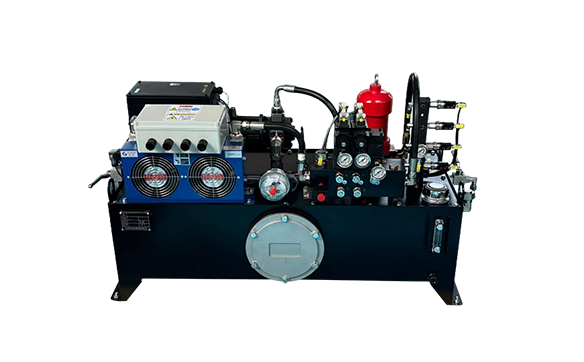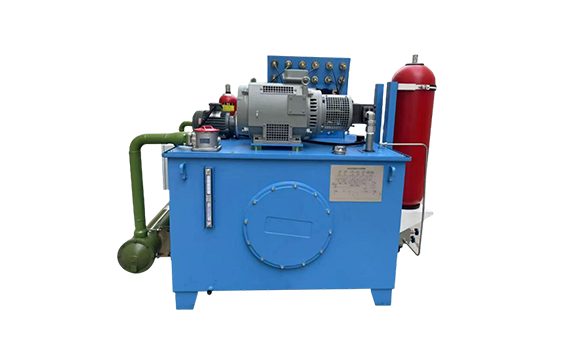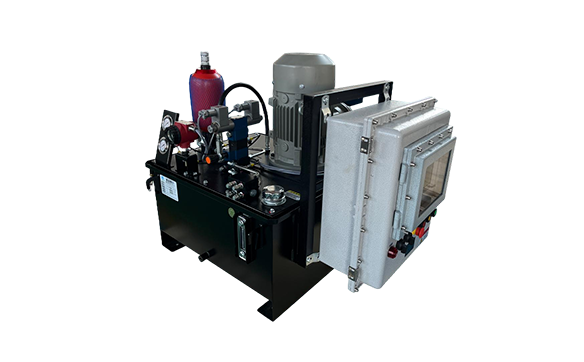
Hydraulic Power Unit Series
Mining Explosion-proof Hydraulic System
VIEW DETAILS

A lifting hydraulic system uses fluid as the working medium and drives actuators (hydraulic cylinders) for linear lifting movement via a hydraulic power unit. As a widely adopted and high-performance power transmission system, it is extensively used in industrial, construction, logistics and other industries.
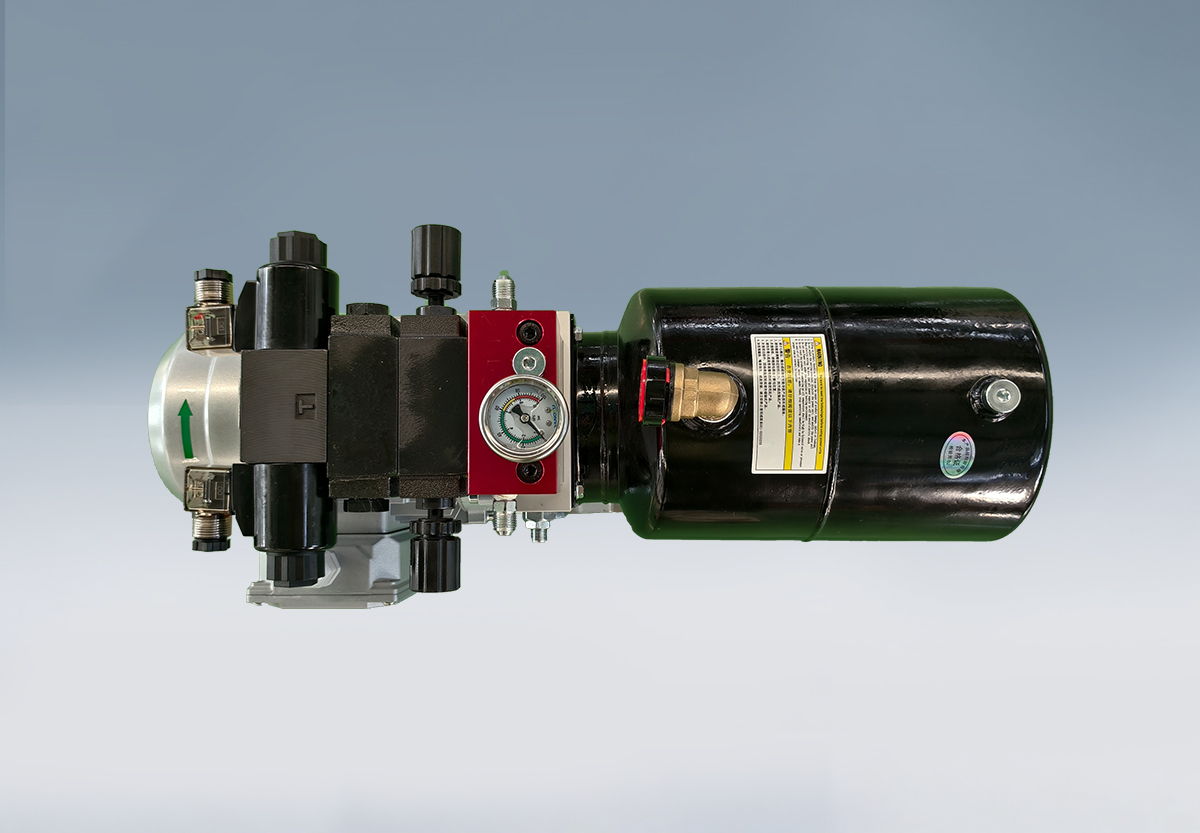
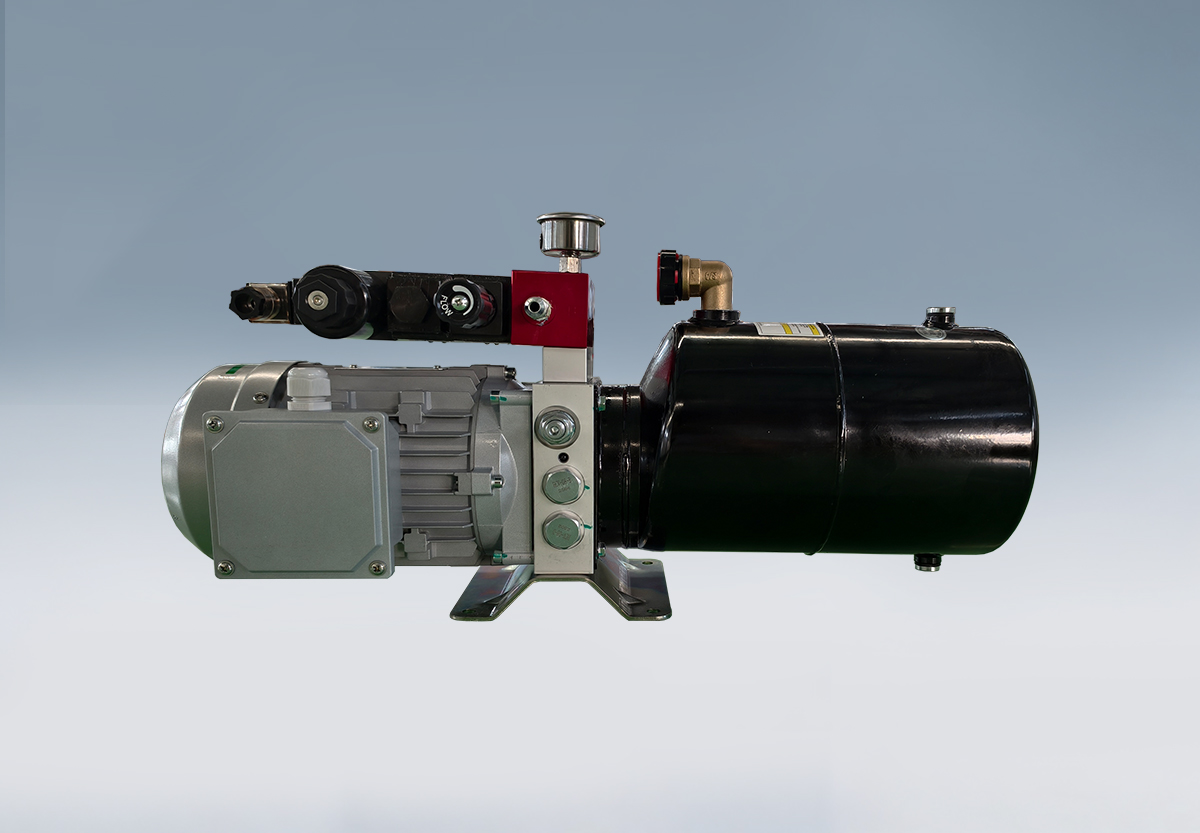
METRICS
1. Power Components (Hydraulic Pumps)
Function: Serving as the heart of the system, it converts mechanical energy from electric motors or engines into hydraulic pressure energy.
Common types: gear pumps, vane pumps and piston pumps.
2. Actuating Components (Hydraulic Cylinders)
Function: Acting as the muscle of the system, it transforms hydraulic pressure energy into mechanical energy to generate linear reciprocating lifting motion.
Key parameters: bore diameter, rod diameter and stroke, which directly determine output thrust, moving speed and lifting height of the system.
3. Control Components (Hydraulic Valves)
Function: Regarded as the brain and nerve of the system, they govern and adjust oil flow direction, system pressure and flow rate.
Directional control valves (e.g. directional spool valves): Change oil flow path to control cylinder lifting, lowering and halt.
Pressure control valves (e.g. relief valves): Cap maximum working pressure and provide overload protection.
Flow control valves (e.g. throttle valves): Modulate oil supply flow to adjust lifting speed.
4. Auxiliary Components
Oil tank: Stores hydraulic fluid and dissipates operational heat.
Oil filter: Maintains fluid cleanliness to avoid component abrasion and blockage.
Tubing & fittings: Connect all components and deliver pressurized oil.
Seals: Prevent hydraulic fluid leakage.
5. Working Medium (Hydraulic Oil)
Function: Transmit power, lubricate moving parts, cool components and inhibit rust formation.
Requirements: Proper viscosity, superior lubricity and outstanding oxidation resistance.
III. Main Features
Advantages
High output force: Hydraulic units are compact and lightweight at equal power rating while delivering massive lifting thrust.
Stable operation: Low compressibility of hydraulic fluid enables smooth transmission with reliable overload protection.
Stepless speed regulation: Flow valves facilitate wide-range stepless adjustment of lifting speed.
Easy automatic control: Compatible with electrical parts to realize complex sequential motion and remote control.
Disadvantages
Potential fluid leakage: High precision machining and strict sealing standards are required; leakage may cause contamination and efficiency loss.
Temperature sensitivity: Oil viscosity varies with ambient temperature and impairs system stability.
Strict maintenance criteria: Regular fluid cleaning is required to avoid clogging and premature wear.
Higher cost: Higher upfront investment and professional maintenance cost versus purely mechanical equipment.
Typical Application Fields
General Industry: Injection molding machines, die-casting machines, machine tools, lifting tables and workpiece clamping units on automated production lines.
Construction Machinery: Boom & bucket lifting systems for excavators, loaders, truck cranes and bulldozers.
Logistics & Transportation: Hydraulic lift tables, forklifts, container tippers and truck tail lifts.
Aerospace: Aircraft door actuation, landing gear retraction and flight simulator equipment.
Special Vehicles: Lifting mechanisms for aerial platform vehicles, fire ladder trucks and wreckers.
Civil Use: Hydraulic jacks, vehicle lifts for auto repair, disabled access lifts and hydraulic elevators.
Maintenance & Troubleshooting Guidelines
Keep hydraulic oil clean: Periodically replace hydraulic fluid and filter cartridges to extend service life.
Eliminate external leakage: Regular inspection of pipelines and sealing elements.
Bleed trapped air: Entrapped air leads to judder, creeping or abnormal noise and must be vented promptly.
Common Malfunctions
No lifting or insufficient thrust: Low oil level, defective pump, faulty relief valve or severe internal leakage.
Excessively slow lifting speed: Insufficient pump flow, undersized throttle opening or overly high oil viscosity.
Unexpected load dropping during standby: Internal leakage inside cylinders or valves, malfunction of pilot operated check valves (hydraulic locks).
Abnormal noise & vibration: Air ingestion, contaminated oil or worn pump components.